There exists a forgotten principle in the architecture of farewell: silence as material.
Not the absence of sound. But sound transformed into a language that speaks to the deepest part of human consciousness—the part that grieves.
When we touch an object in the moment of losing someone we love, we do not think. We feel. And what we feel is transmitted through every material property: weight, temperature, texture, the sound it makes when it moves.
This is where Voyager begins.
THE PSYCHOLOGY OF SOUND IN RITUAL
The modern funeral industry has overlooked something that ancient cultures understood intuitively: the objects we use in the process of farewell become witnesses to our grief. They become amplifiers of what we feel.
Traditional wooden caskets—built from pine, oak, or cheaper substitutes—emit a constellation of sounds. They creak. They groan. They rattle. When lowered into the earth, they announce themselves, as if to declare: here is the machinery of death.
More expensive caskets attempt to hide this reality. They use sound dampening materials, not for the deceased (who cannot hear), but to create the illusion that something other than death is occurring. This is a form of denial, dressed in luxury.
Voyager rejects both approaches.
Instead, it proposes a radical alternative: what if we transformed silence itself into the primary design material? What if the absence of unwanted sound became the foundation of the experience?
DESIGNING FOR GRIEF, NOT COMMERCE
When the human mind enters the state of grief, it becomes hypersensitive. A sudden noise can jolt us out of presence. A foreign sound—the creak of a casket, a door slamming, a car horn—can break the delicate thread connecting us to the reality of loss.
Voyager One was designed with this sensitivity in mind.
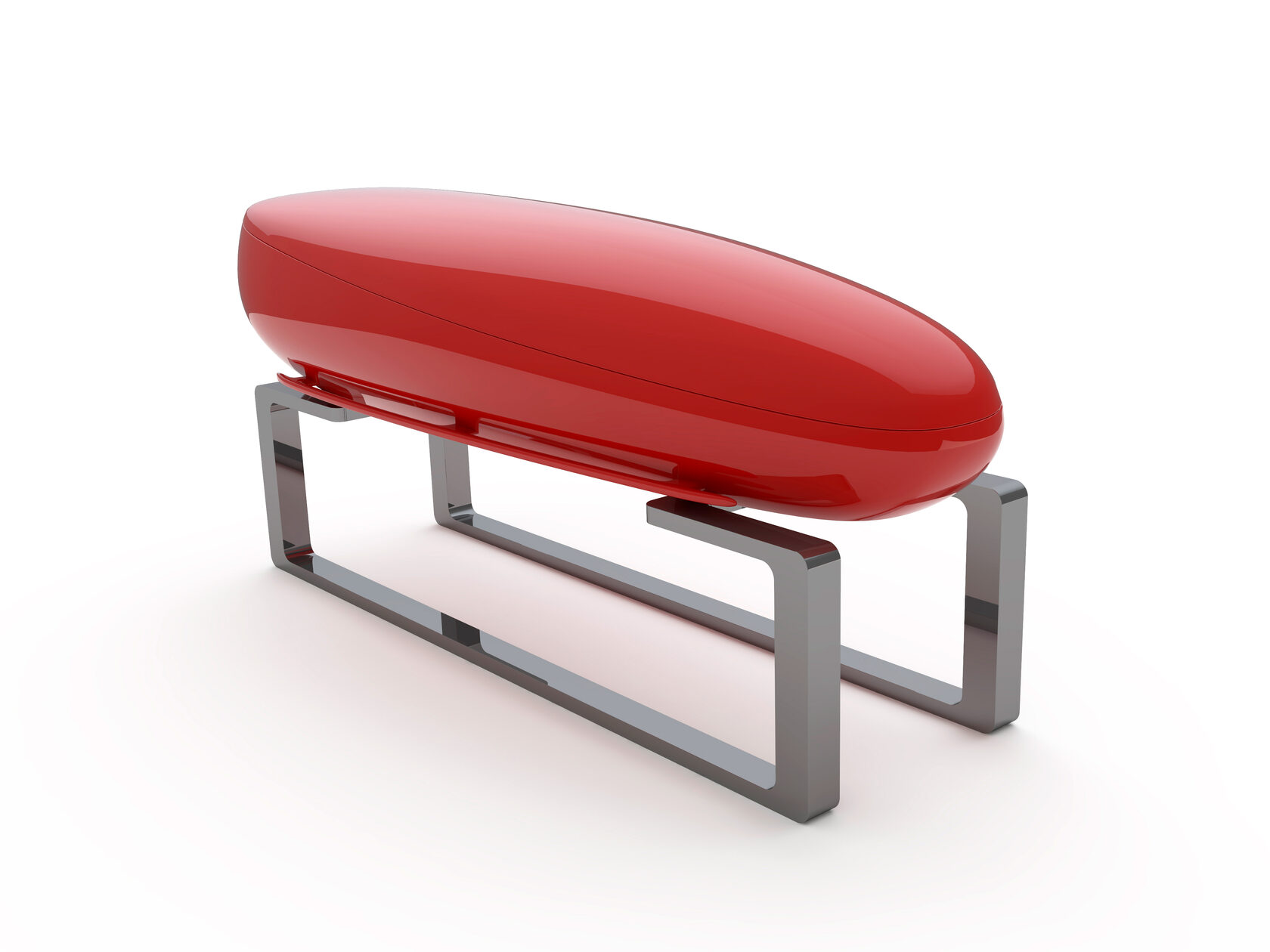
Every material was chosen for its acoustic properties. The composite structure—a proprietary blend of natural and engineered materials—eliminates resonance. When the casket is carried, lifted, or lowered into the earth, it produces virtually no sound. The only audible element is the sound of those participating in the ritual: footsteps, breathing, voices.
This creates a psychological space where grief is not managed or commodified. It is witnessed.
The silence of Voyager becomes a container for emotion. It says: your grief is important enough that we have removed all distraction. You may feel what you need to feel.
THE INVISIBLE ARCHITECTURE: VENTILATION AS POETRY
There is one more layer to this design principle, visible only to those who know to look for it.
Voyager One incorporates a system of microscopic perforations—engineered to allow for natural air circulation without compromising the integrity of the form. These openings serve a practical purpose: they facilitate the natural process of transformation, allowing oxygen to reach the deceased and supporting the ecological decomposition that returns the body to earth.
But they serve another purpose as well.
When air passes through these carefully calculated apertures, it produces a sound. Not heard consciously by most observers. But registered by the body, by the nervous system, as a sign of aliveness. As a sign of continuity.
This is the language of form: to say that even in death, life continues. That what appears final is actually transformation.
In the hands of the Voyager One, silence becomes permeable. Silence becomes conversation with the earth itself.
THE MODERNIST PRINCIPLE: NOTHING BUT WHAT IS NECESSARY
The principle of absolute reduction—which modernism claimed as its own—finds its highest purpose in the design of ritual objects.
A funerary vessel requires no ornament. It requires no gilding, no velvet, no decorative handles that announce shame or status. These elements do not ease the transition from life to death. They complicate it. They insert the language of commerce into a conversation that should be sacred.
Voyager One presents itself as pure form. Clean lines. A material palette limited to three elements: the composite base, natural titanium accents (minimal and structural, not decorative), and wood—selected from species that are part of responsible reforestation programs, tying the death ritual to the cycle of growth.
The aesthetic is austere. But austere is not cold.
Because form, when designed with this level of intention, communicates respect. It communicates to the bereaved: we understand what matters here. And we have removed everything else.
This is the opposite of industrial design. This is the design of encounter.
DEATH AS TRANSFORMATION, NOT CONCLUSION
Behind every choice in Voyager's design lies a singular philosophical premise:
Death is not an ending. It is a transformation.
When the ancient Egyptians outfitted their pharaohs with vessels for the afterlife, they understood death as a journey. The body was prepared as a voyager—a traveler crossing into another realm.
This understanding predates Christianity. It predates modern materialism. And yet it survives in us still—as an intuition, as something our bodies know before our minds have words for it.
The name Voyager was chosen precisely because it recovers this intuition. It says: you are not a body to be disposed of. You are a traveler, completing your passage.
And the form of the casket—silent, austere, receptive to the earth—accompanies this passage with dignity. The form does not deny death. But it does not reduce it to a problem to be solved either.
Instead, it witnesses it. It honours it. It allows it to unfold according to its own truth.
THE COMPETITIVE ADVANTAGE: DESIGN AS MEANING
In the global luxury market, the race is perpetually toward more—more materials, more features, more technology, more comfort.
Voyager moves in the opposite direction. Toward less, understood as the removal of everything that obscures truth.
This is increasingly rare. And increasingly necessary.
As consciousness of environmental impact grows, as people question the relationship between consumption and meaning, ritual objects become a critical space for this re-examination. A funeral should not be an occasion to prove one's status through purchasing power. It should be an occasion to affirm one's dignity in the face of finality.
Voyager offers something that cannot be easily replicated: a design language that speaks directly to the human need for authenticity in the moment of loss. A form that has been thought through at every level—psychological, philosophical, ecological.
This is not merely product design. This is meaning made material.
CONCLUSION: THE RETURN TO SACRED FORM
At a time when human ritual has been largely surrendered to commercial forces, Voyager represents something almost radical: the reclamation of the funeral object as a site of intentional meaning.
The silence of form is not a marketing strategy. It is a recognition that in the moment when we say goodbye to someone we love, the world should be reimade to honour that moment. That the objects we touch, the materials we carry, the sounds we hear—or do not hear—should all serve a single purpose: the acknowledgment of loss and the affirmation of dignity.
This is what Voyager One promises.
Not to make death comfortable. But to make it honest.
And in that honesty, something unexpected emerges: the possibility of grace.
The Voyager Journal
Where Art Meets Eternity
December 2025
This concept was first explored in the author's column "Death in the Big City," published on IskandarKadyrov.ru
Not the absence of sound. But sound transformed into a language that speaks to the deepest part of human consciousness—the part that grieves.
When we touch an object in the moment of losing someone we love, we do not think. We feel. And what we feel is transmitted through every material property: weight, temperature, texture, the sound it makes when it moves.
This is where Voyager begins.
THE PSYCHOLOGY OF SOUND IN RITUAL
The modern funeral industry has overlooked something that ancient cultures understood intuitively: the objects we use in the process of farewell become witnesses to our grief. They become amplifiers of what we feel.
Traditional wooden caskets—built from pine, oak, or cheaper substitutes—emit a constellation of sounds. They creak. They groan. They rattle. When lowered into the earth, they announce themselves, as if to declare: here is the machinery of death.
More expensive caskets attempt to hide this reality. They use sound dampening materials, not for the deceased (who cannot hear), but to create the illusion that something other than death is occurring. This is a form of denial, dressed in luxury.
Voyager rejects both approaches.
Instead, it proposes a radical alternative: what if we transformed silence itself into the primary design material? What if the absence of unwanted sound became the foundation of the experience?
DESIGNING FOR GRIEF, NOT COMMERCE
When the human mind enters the state of grief, it becomes hypersensitive. A sudden noise can jolt us out of presence. A foreign sound—the creak of a casket, a door slamming, a car horn—can break the delicate thread connecting us to the reality of loss.
Voyager One was designed with this sensitivity in mind.
Every material was chosen for its acoustic properties. The composite structure—a proprietary blend of natural and engineered materials—eliminates resonance. When the casket is carried, lifted, or lowered into the earth, it produces virtually no sound. The only audible element is the sound of those participating in the ritual: footsteps, breathing, voices.
This creates a psychological space where grief is not managed or commodified. It is witnessed.
The silence of Voyager becomes a container for emotion. It says: your grief is important enough that we have removed all distraction. You may feel what you need to feel.
THE INVISIBLE ARCHITECTURE: VENTILATION AS POETRY
There is one more layer to this design principle, visible only to those who know to look for it.
Voyager One incorporates a system of microscopic perforations—engineered to allow for natural air circulation without compromising the integrity of the form. These openings serve a practical purpose: they facilitate the natural process of transformation, allowing oxygen to reach the deceased and supporting the ecological decomposition that returns the body to earth.
But they serve another purpose as well.
When air passes through these carefully calculated apertures, it produces a sound. Not heard consciously by most observers. But registered by the body, by the nervous system, as a sign of aliveness. As a sign of continuity.
This is the language of form: to say that even in death, life continues. That what appears final is actually transformation.
In the hands of the Voyager One, silence becomes permeable. Silence becomes conversation with the earth itself.
THE MODERNIST PRINCIPLE: NOTHING BUT WHAT IS NECESSARY
The principle of absolute reduction—which modernism claimed as its own—finds its highest purpose in the design of ritual objects.
A funerary vessel requires no ornament. It requires no gilding, no velvet, no decorative handles that announce shame or status. These elements do not ease the transition from life to death. They complicate it. They insert the language of commerce into a conversation that should be sacred.
Voyager One presents itself as pure form. Clean lines. A material palette limited to three elements: the composite base, natural titanium accents (minimal and structural, not decorative), and wood—selected from species that are part of responsible reforestation programs, tying the death ritual to the cycle of growth.
The aesthetic is austere. But austere is not cold.
Because form, when designed with this level of intention, communicates respect. It communicates to the bereaved: we understand what matters here. And we have removed everything else.
This is the opposite of industrial design. This is the design of encounter.
DEATH AS TRANSFORMATION, NOT CONCLUSION
Behind every choice in Voyager's design lies a singular philosophical premise:
Death is not an ending. It is a transformation.
When the ancient Egyptians outfitted their pharaohs with vessels for the afterlife, they understood death as a journey. The body was prepared as a voyager—a traveler crossing into another realm.
This understanding predates Christianity. It predates modern materialism. And yet it survives in us still—as an intuition, as something our bodies know before our minds have words for it.
The name Voyager was chosen precisely because it recovers this intuition. It says: you are not a body to be disposed of. You are a traveler, completing your passage.
And the form of the casket—silent, austere, receptive to the earth—accompanies this passage with dignity. The form does not deny death. But it does not reduce it to a problem to be solved either.
Instead, it witnesses it. It honours it. It allows it to unfold according to its own truth.
THE COMPETITIVE ADVANTAGE: DESIGN AS MEANING
In the global luxury market, the race is perpetually toward more—more materials, more features, more technology, more comfort.
Voyager moves in the opposite direction. Toward less, understood as the removal of everything that obscures truth.
This is increasingly rare. And increasingly necessary.
As consciousness of environmental impact grows, as people question the relationship between consumption and meaning, ritual objects become a critical space for this re-examination. A funeral should not be an occasion to prove one's status through purchasing power. It should be an occasion to affirm one's dignity in the face of finality.
Voyager offers something that cannot be easily replicated: a design language that speaks directly to the human need for authenticity in the moment of loss. A form that has been thought through at every level—psychological, philosophical, ecological.
This is not merely product design. This is meaning made material.
CONCLUSION: THE RETURN TO SACRED FORM
At a time when human ritual has been largely surrendered to commercial forces, Voyager represents something almost radical: the reclamation of the funeral object as a site of intentional meaning.
The silence of form is not a marketing strategy. It is a recognition that in the moment when we say goodbye to someone we love, the world should be reimade to honour that moment. That the objects we touch, the materials we carry, the sounds we hear—or do not hear—should all serve a single purpose: the acknowledgment of loss and the affirmation of dignity.
This is what Voyager One promises.
Not to make death comfortable. But to make it honest.
And in that honesty, something unexpected emerges: the possibility of grace.
The Voyager Journal
Where Art Meets Eternity
December 2025
This concept was first explored in the author's column "Death in the Big City," published on IskandarKadyrov.ru